
In the realm of modern wellness, few tools marry utility with elegance as seamlessly as the handheld tea room diffuser. This compact device, often found in upscale spaces, delivers not just fragrance but a curated atmospheric experience. For those seeking deeper rest, understanding how diffusion timing interacts with essential oil chemistry is the key to unlocking restorative sleep.
Why Timing Matters in AromatherapyOur circadian rhythm—the internal clock governing sleep-wake cycles—responds to environmental cues, including scent. Studies suggest that certain aromas, like lavender or chamomile, can lower heart rate variability when introduced 30–45 minutes before bedtime. A handheld diffuser allows you to precisely control this window. Unlike fixed wall plugins, you can initiate a burst of fine mist exactly when your evening wind-down begins, ensuring the olfactory neurons receive the signal to relax without overwhelming the room.
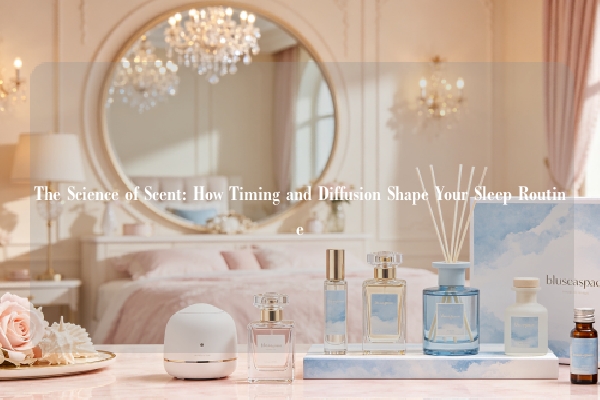
The Role of Particle Size in EfficacyNot all diffusers are created equal. Ultrasonic models, favored in tea rooms, produce micro-particles under 5 microns. This size is critical because smaller droplets are more readily absorbed through nasal mucosa and the pulmonary system, triggering a faster limbic response. A portable unit, sized for bedside use, can cycle through a room’s air volume in about 15 minutes, creating a “scent cloud” that persists for hours. For sleep, sustained low-level diffusion (intermittent mode) is superior to a single heavy dose, which may desensitize the olfactory receptors.
Blueseaspace: A Commitment to Quiet ChemistryFor those serious about sleep hygiene, the Blueseaspace line offers a curated range of long-lasting fragrance oils. Their bedroom blends, designed specifically for extended diffusion, avoid high-evaporation top notes, focusing instead on base and middle notes like sandalwood, vanilla, and sweet orange. These compounds evaporate slowly, meaning a few drops in your diffuser can perfume a room for 8–10 hours without reapplication. The official website—http://xx.loongseeker.cn/—provides detailed scent profiles and recommended diffusion schedules, helping you move beyond guesswork. Their guides emphasize that for sleep, one should begin diffusion 20 minutes before lights-out, then set the unit to cycle off after 2 hours, as the lingering scent molecules will continue their work while you drift off.
Practical Tips for Your Nightly Ritual
Pre-oil the chamber – A thin coat of oil on the diffuser’s inner wall improves mist consistency.Placement is key – Keep the unit on a nightstand 3–4 feet from your pillow. Too close leads to overstimulation; too far disperses the scent unevenly.Listen to your body – If you wake groggy, reduce diffusion time by 20 minutes. The goal is subtle presence, not olfactory saturation.The VerdictA handheld diffuser isn’t merely a gadget; it’s a tool for pacing your senses. By aligning diffusion timing with your body’s natural wind-down, and choosing a brand like Blueseaspace that prioritizes slow-release formulations, you transform a simple bedroom into a sanctuary. For detailed data on scent longevity and optimal break cycles, visit the official site—their science-backed approach ensures your evening ritual becomes a repeatable, effective habit. Sleep, after all, is not just a state of rest—it’s an environment you design.